
What Are Bloodborne Pathogens? (Complete Guide)
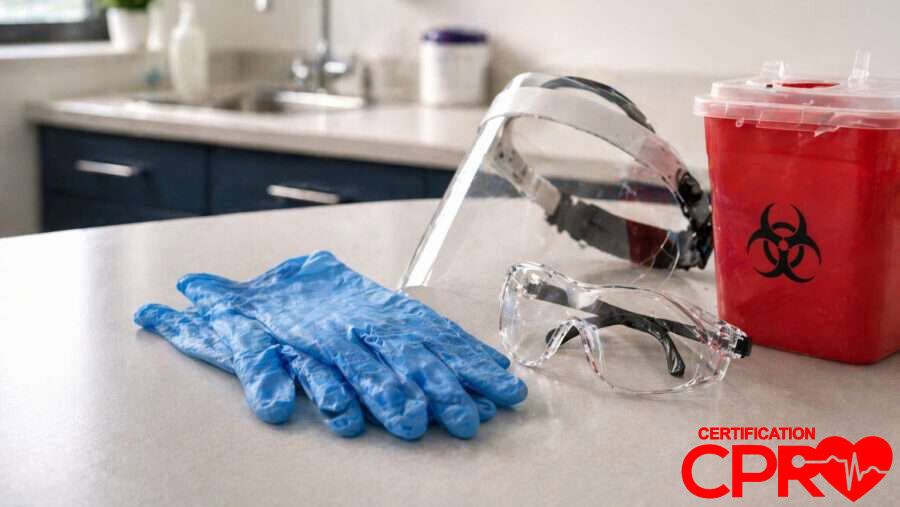
Bloodborne pathogens are germs in human blood that can cause serious disease when they enter another person’s body. The phrase sounds technical, but the workplace concern is simple: blood exposure deserves a different level of care than an ordinary mess, because a small cut, splash, or needlestick can create real risk.
The topic comes up in healthcare, dental work, labs, first response, custodial cleanup, tattooing, school health rooms, and public venues where someone may have to handle blood after an injury. Around Nashville, that can mean a dental office, a med spa, a tattoo studio, or a janitorial team cleaning after an incident in a hotel, clinic, church, or event space.
Bloodborne pathogens training keeps the focus on the routes that matter: contaminated sharps, broken skin, the eyes, the mouth, and other mucous membranes. A worker does not need to be frightened of every surface in the building. They do need to recognize the moments when blood, body fluids, or used sharps call for gloves, cleanup steps, reporting, and medical follow-up.
Nashville’s healthcare, dental, school, public-safety, and body-art settings make bloodborne pathogens more than a textbook category. The useful question is how exposure happens and what habits keep a small incident from becoming a larger risk.
Upcoming CPR Class Dates and Times
What Are Bloodborne Pathogens?
Bloodborne pathogens are infectious microorganisms carried in human blood. The most familiar examples are hepatitis B virus, hepatitis C virus, and HIV, but the larger lesson is about how exposure happens and how workers reduce the chance of infection.
You may also see the term OPIM, short for other potentially infectious materials. In training, that phrase helps workers understand that blood is the clearest concern, but certain body fluids and materials can also need careful handling. A dental assistant, lab worker, or first responder may encounter those materials in very different ways, so the training has to connect the hazard to the work people actually do.
In plain language, the subject is exposure risk during work. A sharp goes into the skin. Blood reaches the eye. A worker cleans a surface without realizing there is dried blood on it. A glove tears during a cleanup. None of those moments have to be dramatic to matter.
Bloodborne pathogens training exists so workers can tell the difference between a low-risk contact and a true exposure concern. It also gives them a calmer response: protect yourself first, control the area, report the exposure, and let the workplace’s safety or occupational health process guide the next step.
Most Common Bloodborne Pathogens
The three names that come up most often in bloodborne pathogens training are HIV, hepatitis B virus, and hepatitis C virus. They do not behave the same way in the body, but they share the same practical lesson for workers: blood exposure should be prevented when possible and handled quickly when it happens.
HIV (Human Immunodeficiency Virus)
HIV is the virus that can lead to HIV infection and, if untreated, AIDS. In workplace training, HIV is usually discussed because a possible exposure should be reported and evaluated quickly. The exact follow-up belongs with the workplace’s medical or occupational health process, but the worker’s first job is to recognize the exposure and speak up without delay.
Hepatitis B Virus (HBV)
HBV affects the liver and remains a major focus in bloodborne pathogens training. Workers may hear about vaccination, surface cleaning, and exposure reporting in the same lesson because hepatitis B is one of the clearest reasons blood exposure cannot be treated casually.
Hepatitis C Virus (HCV)
HCV also affects the liver and is another major pathogen covered in workplace training. Workers do not need every clinical detail to benefit from the class. They do need to understand that blood exposure can carry serious consequences and that protective steps matter every time, including small injuries and routine cleanup tasks.
How Bloodborne Pathogens Spread
Bloodborne pathogens spread through exposure to infected blood and certain other potentially infectious materials. In workplaces, that often means a needlestick, a sharps injury, blood contact with broken skin, or blood getting into the eyes, nose, or mouth.
Gloves, face protection, safer sharps handling, cleanup procedures, and hand hygiene show up over and over in training for exactly that reason. Exposure does not always happen in a dramatic scene. It often happens in the small routine moments when someone cuts a corner or assumes a needle, surface, or splash is not a big deal.
Many workplaces teach universal precautions for this reason. Blood and certain body fluids are handled carefully because workers usually do not know the person’s medical history in the moment. The habit removes a risky judgment call from a fast-moving situation.
Training has to stay practical here. Workers need to know what to do with used sharps, how to handle blood cleanup, when gloves or face protection are appropriate, and what counts as an exposure incident. For teams that want those steps spelled out more plainly, bloodborne pathogens training: what to expect is the companion piece.
Who Is at Risk for Bloodborne Pathogen Exposure?
Workers at higher risk usually include healthcare staff, dental teams, lab workers, first responders, housekeeping or custodial staff who clean up blood, body art professionals, and others whose normal duties can involve blood exposure.
Upcoming CPR Class Dates and Times
Risk is tied to the work, not just the job title. A front-desk employee in a clinic may have little exposure, while a custodian in the same building may be assigned to clean blood after an injury. A body art professional, dental assistant, school nurse, and lab tech all face different versions of the same core issue: blood and sharps need habits that hold up under pressure.
OSHA publishes the federal Bloodborne Pathogens Standard, and many workplaces use it to shape training and safety procedures. Exact expectations can depend on the role, workplace, and state rules, so employees should confirm what applies to their own job with their employer, safety officer, or state OSHA office.