
Bloodborne Pathogens Certification Requirements
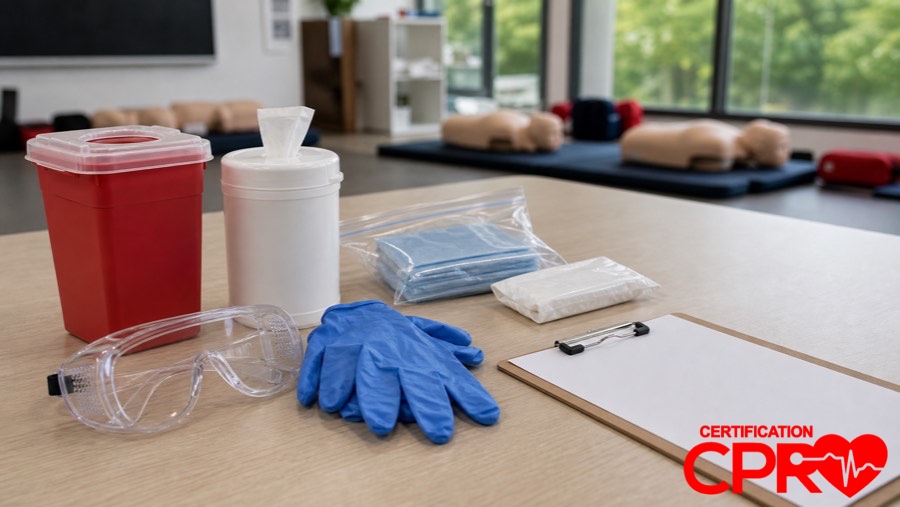
People usually search for bloodborne pathogens certification requirements because a job, school, facility, or supervisor has asked for proof of training. The next question is practical: what does the class need to teach, who usually takes it, and how do you know whether the certificate matches the request in front of you?
The safest answer starts with the wording you were given. A dental assistant, lab technician, tattoo apprentice, school health worker, and custodial team member may all need bloodborne pathogens training for different reasons. One person may need it for onboarding, another for a facility file, and another because their role includes blood cleanup or sharps handling. Exact expectations come from the employer, school, licensing body, or safety officer asking for the certificate.
A good bloodborne pathogens certification class should still have a clear center. It should explain the main pathogens, how exposure happens, how workers protect themselves, what to do with sharps and contaminated materials, and how to respond if blood reaches broken skin, the eyes, the mouth, or another exposure route. The class should leave a student calmer and more useful, not buried in regulation language.
A sharps exposure at a clinic, a blood cleanup in a school, or a cut handled by a staff member in a busy workplace all need the same kind of calm first thinking. Nashville has a large healthcare and education workforce, so the topic is not abstract here.
Upcoming CPR Class Dates and Times
Who Usually Needs Bloodborne Pathogens Certification?
Bloodborne pathogens certification is commonly requested for people whose work can put them near blood, used sharps, clinical specimens, contaminated surfaces, or cleanup after injuries. Healthcare workers, dental teams, lab staff, first responders, body art professionals, school health staff, and some custodial or housekeeping teams are common examples.
Job title alone does not answer the question. A front-desk worker in a clinic may never handle blood. A custodian in the same building may be assigned to clean after a fall or injury. A coach, teacher, or event worker may only need the training if their actual duties include first response, cleanup, or contact with contaminated materials.
The best first step is to ask the organization requesting the certificate what wording it needs to see. If the request mentions OSHA, a state rule, a school program, or a workplace exposure control plan, confirm the exact training format with the person responsible for that requirement before booking.
What a Bloodborne Pathogens Class Should Cover
A useful class begins with the disease risks workers hear about most often: hepatitis B, hepatitis C, and HIV. The goal is not to memorize a medical textbook. The goal is to understand why blood exposure is handled carefully, why sharps disposal matters, and why a worker should report a real exposure quickly instead of trying to decide alone whether it was serious.
The class should explain exposure routes in plain language: needlesticks, cuts from contaminated sharps, blood reaching broken skin, and splashes to the eyes, nose, or mouth. It should also cover the habits that lower risk before an incident happens: gloves, face protection when splashes are possible, hand hygiene, careful sharps handling, safe disposal, and cleanup steps for contaminated surfaces.
Students should also leave knowing what to do after an exposure. A strong training class does not turn that moment into panic. It teaches the order of action: wash or flush the exposed area, report the incident, follow the workplace process, and get evaluated by the proper occupational health or medical contact. The exact follow-up path belongs to the workplace and medical team handling the exposure.
The better classes also connect those ideas to real tasks. A tattoo artist needs to think about needles, skin contact, surface cleanup, and barriers between clients. A dental assistant needs to think about instruments, spray, gloves, masks, and room turnover. A school health worker needs to think about playground injuries, nosebleeds, and cleanup after a student leaves the room. The same core training should feel usable in each setting.
How Renewal Timing Is Usually Handled
Many workplaces handle bloodborne pathogens training on a recurring schedule because exposure habits fade when they are only discussed once. A person may remember the general idea but forget the reporting step, where the cleanup supplies are kept, or who should be contacted after a needlestick. Renewal training keeps those details fresh enough to use.
The renewal schedule should come from the organization requesting the certificate. Some employers ask for annual documentation. Some schools or facilities may set a different deadline for their own files. If a worker changes duties and begins handling sharps, cleaning blood, or assisting with patient care, they should confirm whether fresh training is needed before taking on the new exposure tasks.
Do not rely only on the date printed on a certificate if someone else is checking your training. Ask the employer, school, or facility what expiration window it accepts and whether it needs any workplace-specific instruction in addition to the outside class. That small confirmation prevents a student from taking a class that teaches the right topic but misses the exact documentation detail they were given.
How Workplace Procedures Fit With Certification
A certification class teaches the hazard, the exposure routes, and the general protective habits. The workplace adds the local details. That is where workers learn where gloves, face protection, sharps containers, disinfectants, incident forms, and occupational health contacts are located.
A bloodborne pathogens certificate may show that a person completed a class, but the class cannot know every room layout, cleanup kit, reporting chain, or role assignment inside a particular workplace. A dental office, school clinic, lab, and tattoo studio may all use the same basic safety principles while storing supplies and routing incident reports in different ways.
For that reason, the cleanest approach is to pair the certificate with the workplace’s own exposure response procedure. Students should know both pieces: what bloodborne pathogens are and where their own facility tells them to report, wash, flush, document, and seek evaluation after an exposure.
How to Check Whether a Class Fits Your Requirement
Before booking, compare the class description with the words in your request. Look for coverage of bloodborne pathogens, transmission routes, exposure prevention, PPE, sharps safety, cleanup, reporting, and post-exposure response. If the request names a specific standard, agency, or workplace policy, ask the organization whether the course you are considering is accepted for that purpose.
Upcoming CPR Class Dates and Times
Also ask whether the organization needs live instruction, a chance to ask questions, onsite training, a certificate file, or a roster for a group. Those details can matter more than the title of the course. A student who needs a certificate for personal records may have different needs than a clinic manager scheduling a whole team.
We offer bloodborne pathogens training in Nashville for individuals and teams. If your employer, school, or facility gave you specific wording, send that wording before you register so you can confirm the class matches the request. Group training can also help managers give a whole team the same starting point before reviewing the facility’s own supplies, reporting steps, and cleanup locations.